
Which type of egg is more nutritious?
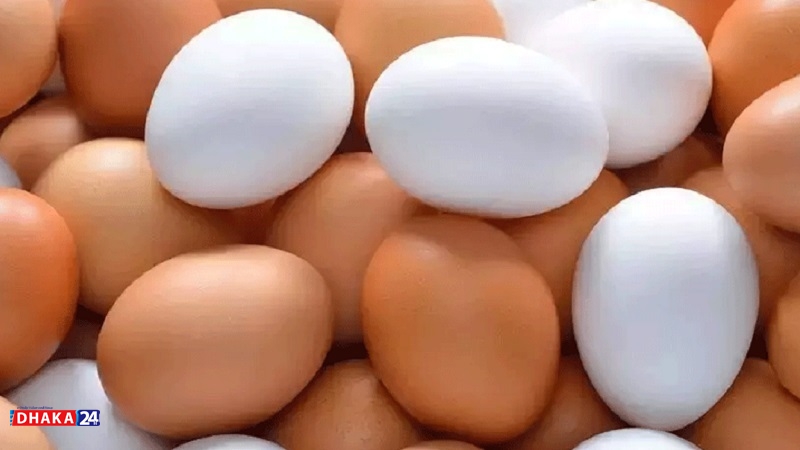 Eggs are an excellent source of protein and are a regular part of the daily diet in almost every household. In the market, eggs are generally available in two types—brown (red-shelled) eggs and white-shelled eggs.
Many people believe that brown eggs are more nutritious or are eggs from local chickens. Others think white eggs are better. But does the difference in shell color actually mean a difference in nutritional value?
So, let’s find out which type of egg is more nutritious—
The color of an egg’s shell depends on the breed of the hen that lays it. Brown or red eggs usually come from larger, reddish-feathered hens such as Rhode Island Red or Plymouth Rock. White eggs are laid by white-feathered hens like the White Leghorn. Although the shell color differs, it has no effect on the egg’s nutritional value or taste. Shell color is simply a genetic trait of the hen.
On this issue, medical and nutrition experts agree that there is no connection between an egg’s shell color and its nutritional quality. Both white and brown eggs contain the same amounts of protein, fat, vitamins, and minerals. In both cases, an egg typically provides about 6–7 grams of protein, along with vitamin D, vitamin B12, selenium, and choline. If there is any perceived difference in taste, it depends on the hen’s diet, age, and how fresh the egg is—not on the shell color. Sometimes brown eggs may seem to have slightly thicker shells than white eggs, but this too depends on the hen’s age and diet, not on color.
Now the question is—why are brown eggs more expensive? Brown eggs are often sold at a higher price than white eggs. The main reason is that hens that lay brown eggs are usually larger and consume more feed, which increases production costs. In addition, there is a common belief among some consumers that brown eggs are healthier, which raises demand and price.
In short, neither brown-shelled eggs nor white-shelled eggs are more beneficial than the other. From a health perspective, instead of focusing on the color of the egg, attention should be given to whether the egg is fresh and what the hen has been fed.
প্রধান সম্পাদক: রাছেল খাঁন | মোবাইল : +৮৮ ০১৮৫৯ ৫৫১৫৫৫ বাউনিয়া,বটতলা,তুরাগ, উত্তরা,ঢাকা-১২৩০।
 প্রিন্ট করুন
 সেভ করুন